Objection handling by SalesChef

Objection handling for products, with examples.

Objection handling is answering the doubt a shopper or buyer raises before they say yes. For physical products the best answer is a true product fact, given calmly and shown if possible. SalesChef creates the objection answers for every product from its checked facts, for the shelf, the counter and the buyer meeting.

Objection handling examples by SalesChef

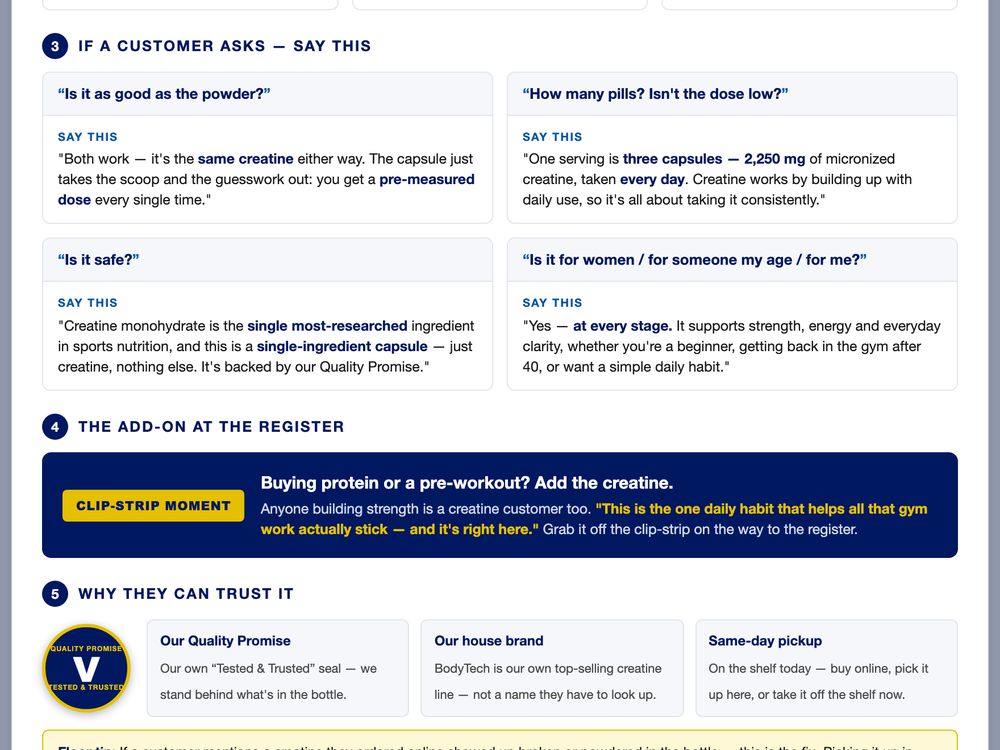
Objection answers, BodyTech Creatine Monohydrate Capsules, for The Vitamin Shoppe, made by SalesChef
Objection answers · BodyTech Creatine Monohydrate Capsules, for The Vitamin Shoppe
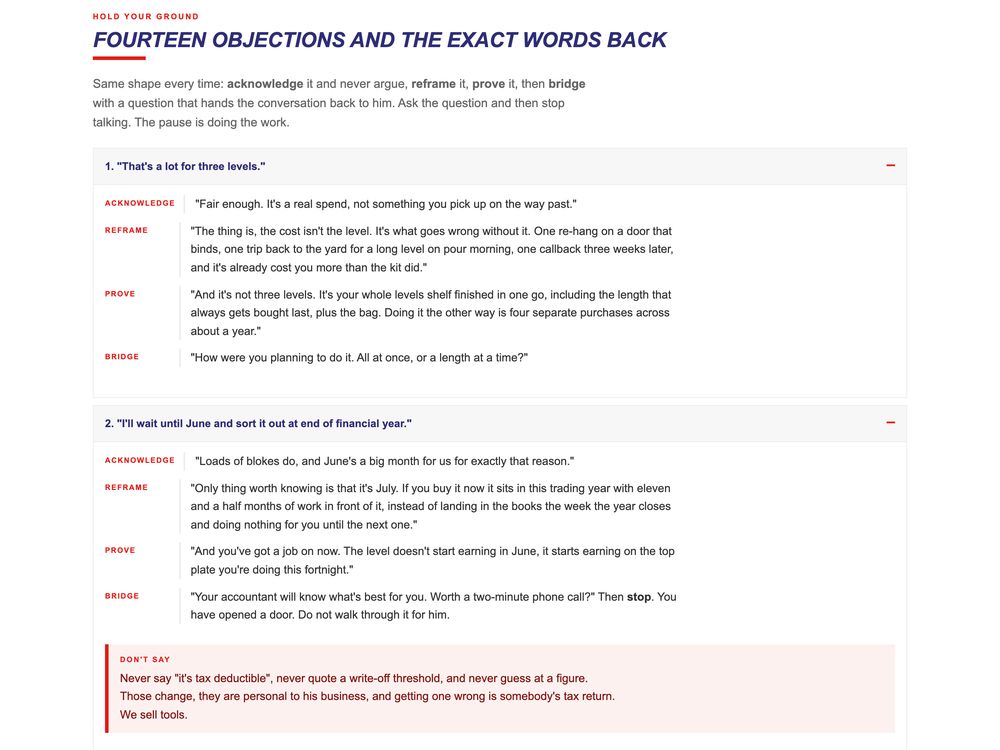
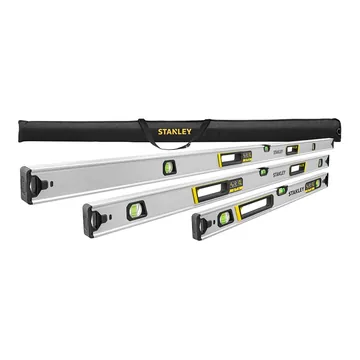
Objection answers, STANLEY FatMax Xtreme level set, for Total Tools, made by SalesChef
Objection answers · STANLEY FatMax Xtreme level set, for Total Tools

What is objection handling?

Meeting a doubt with a clear, honest answer. The doubt is usually a question in disguise.

  • At the shelf

    A shopper compares two products and asks why this one.

  • At the counter

    A last doubt before buying: will it fit, work or last.

  • In a buyer meeting

    A retail buyer asks about fit, sell-through, support and range.

  • Online and in chat

    The same doubts, typed. The answers should match the page.

What makes objection handling work

  1. Listen for the real question

    “Too big” may mean “will it fit my space?” Ask one question to find out.

  2. Acknowledge first

    Agree the concern is fair before you answer. People stop defending once heard.

  3. Answer with a product fact

    A size, a material, a test result. A fact settles what a claim cannot.

  4. Show, do not tell

    Hand over the product, point to the label or open the spec. Proof beats persuasion.

  5. Be honest about fit

    If it is not right for them, say so. Trust is worth more than one sale.

  6. Confirm and move on

    Check the answer landed, then offer the next step.

How SalesChef makes objection handling easy

  1. Knows why each product sells

    The moments, the shoppers and the reasons, and the doubts that come with them, from thousands of sources.

  2. Lists the likely objections

    The questions shoppers and buyers raise about this product and category.

  3. Creates the answers

    Each answer built on a checked product fact, short enough to say in the moment.

  4. Ready as products change

    A new product or a new competitor: the answers are updated. Every Monday, SalesChef names the next best move.

Works with your training and sales tools

Objection answers come as files, or load into the tools your teams already use.

See every integration
  • Highspot
  • Seismic
  • Showpad
  • Axonify
  • Docebo
  • TalentLMS
More guides

Questions about objection handling

What is objection handling?

Answering a doubt a shopper or buyer raises before they decide. The aim is to help them see whether the product fits, not to win an argument.

What are the steps of objection handling?

Listen, acknowledge, ask one question to find the real concern, answer with a fact, and confirm it landed.

What are common objections at the shelf?

Why this one over the other, whether it will fit or work, whether it will last, and whether it is worth it. Each has a fact that answers it.

How do you handle a buyer’s objection?

Treat it as a question about fit, margin, sell-through or support. Answer with evidence and bring the sell sheet.

Should staff memorize objection scripts?

No. Learn the facts behind the answers and say them in your own words.

How does SalesChef help with objection handling?

SalesChef creates the likely objections and answers for every product from checked facts, for the shelf, counter and buyer meeting. Your team approves them.

A wall of products already finished. Each one turns from what the supplier sent into a finished product, ready for online, in store, sales and campaigns.

Your whole catalog.
In minutes, not months.

Send us one product page. We’ll show you how SalesChef sells it.