Retail media by SalesChef






What is a retail media network?
A retailer’s advertising business: the ad slots on its site, app and stores, plus ads aimed with its shopper data elsewhere. Amazon Ads and Walmart Connect are the largest in the US.
Retail media by SalesChef
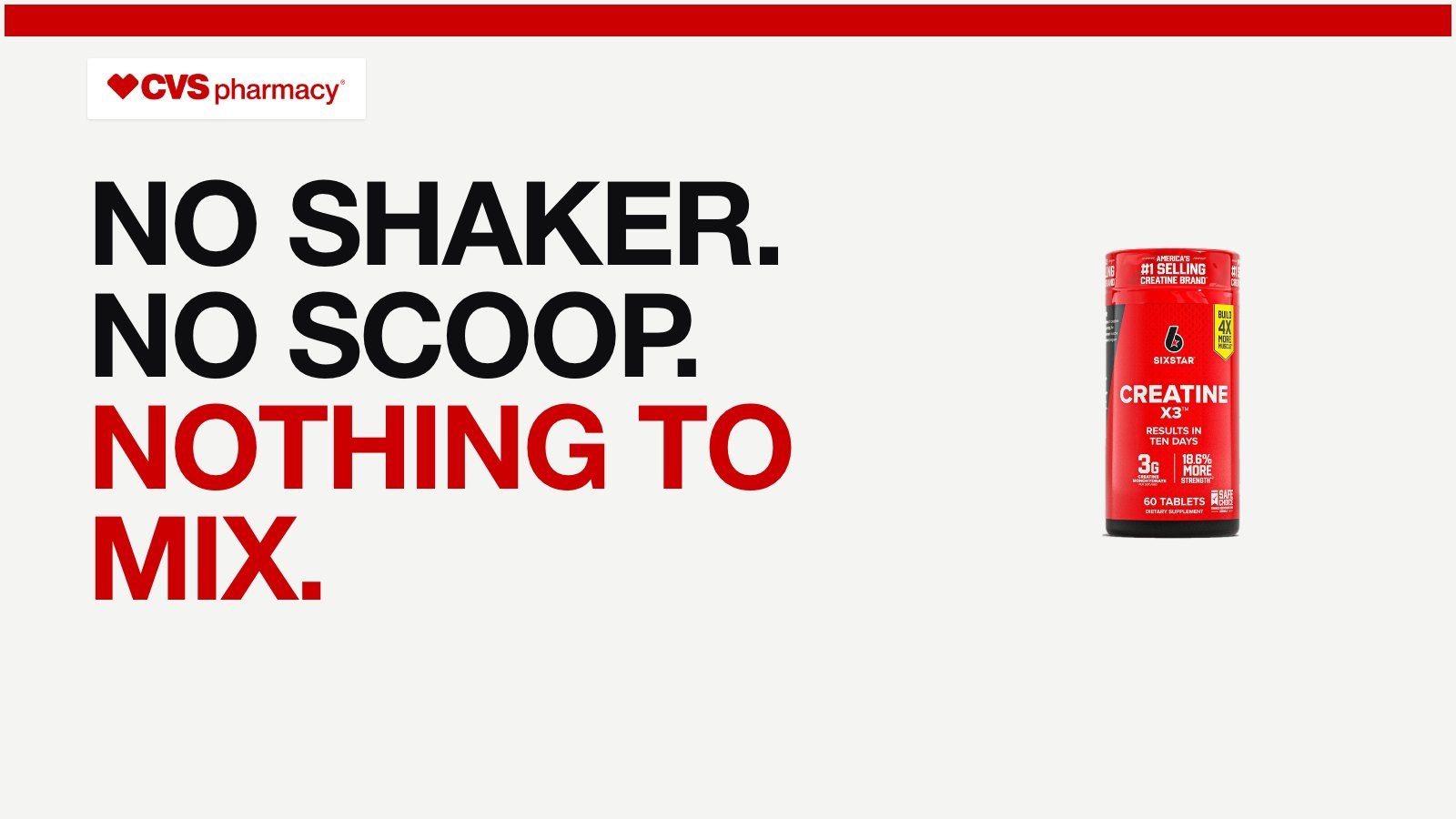
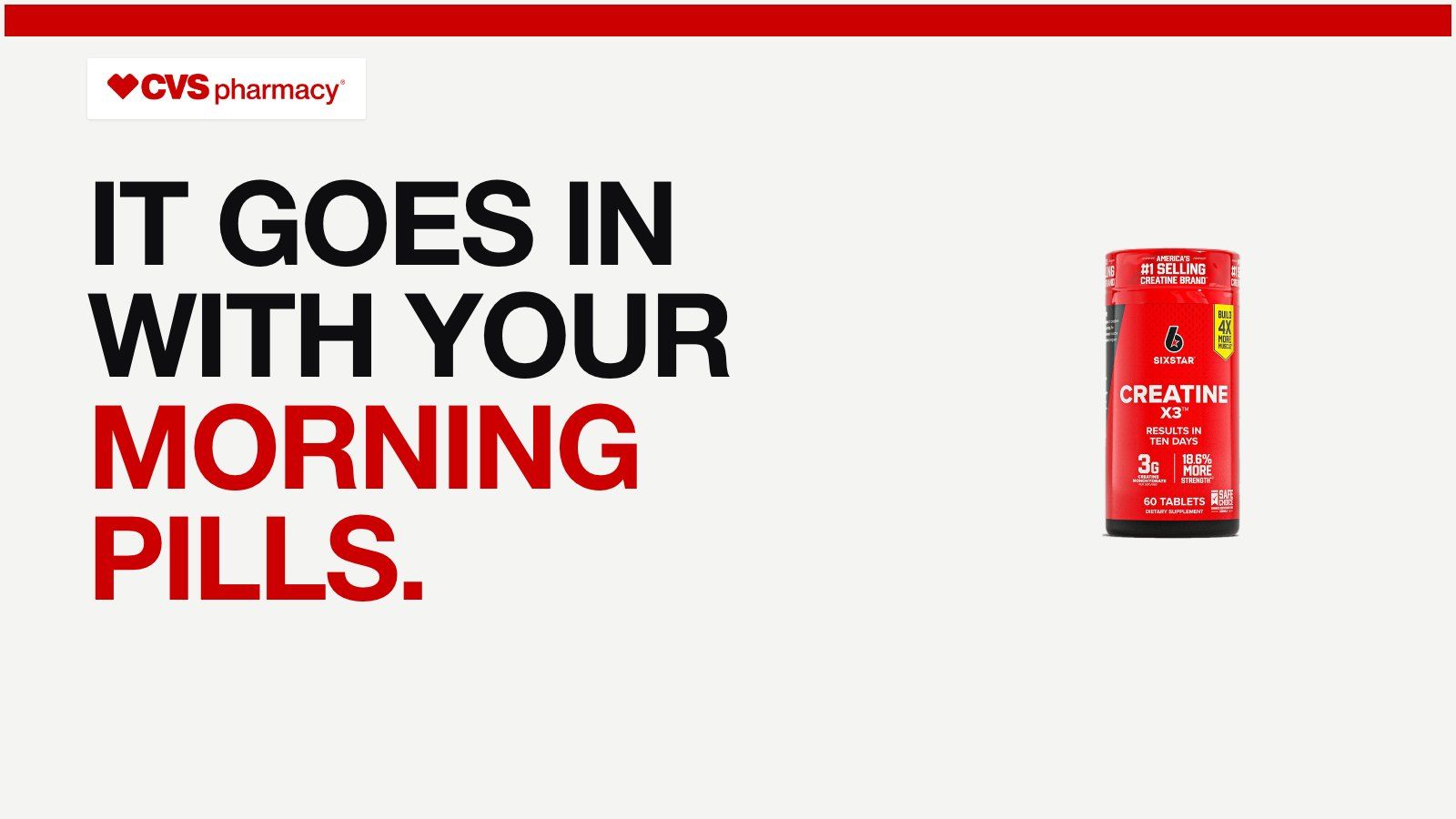
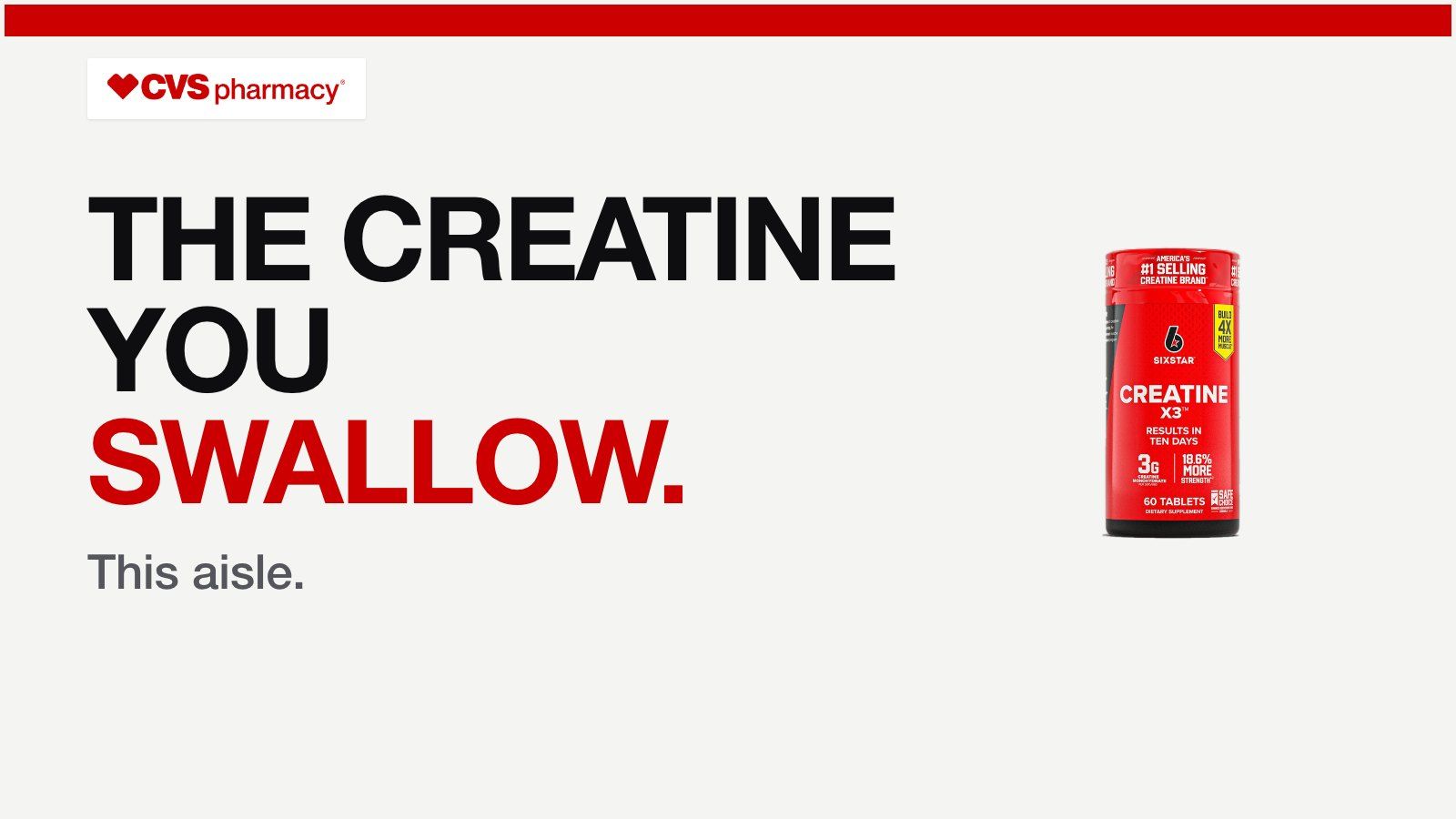
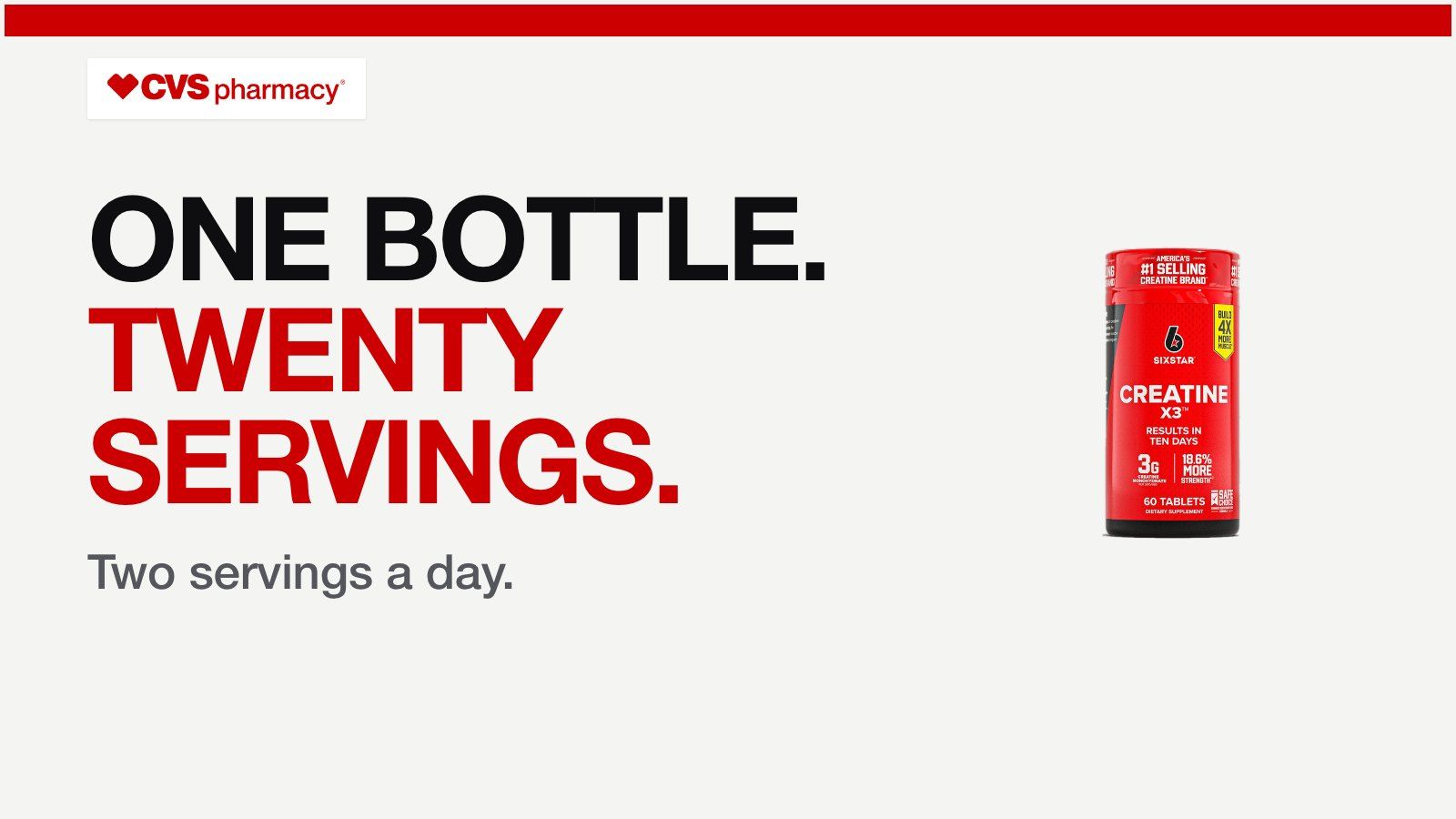
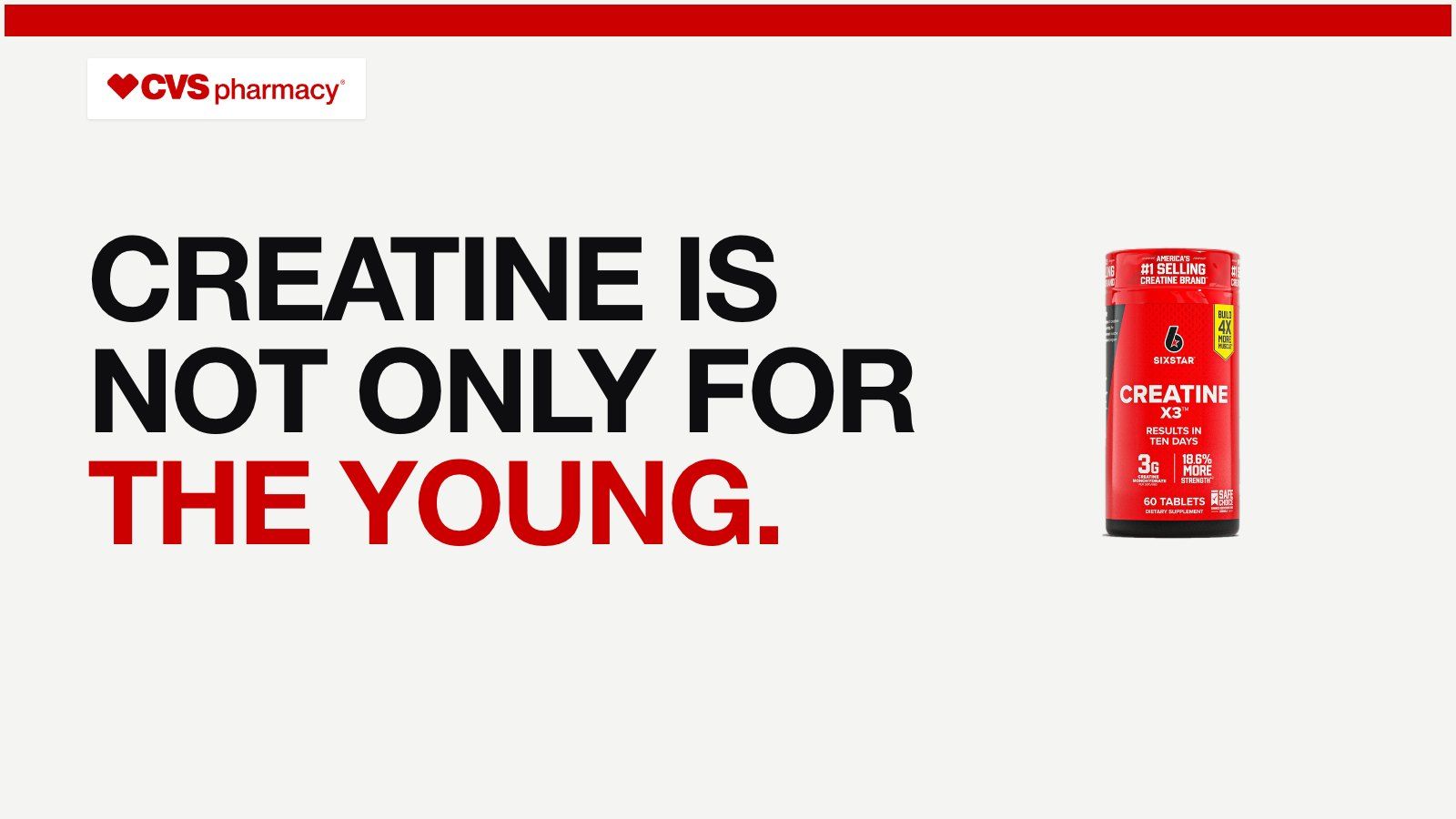
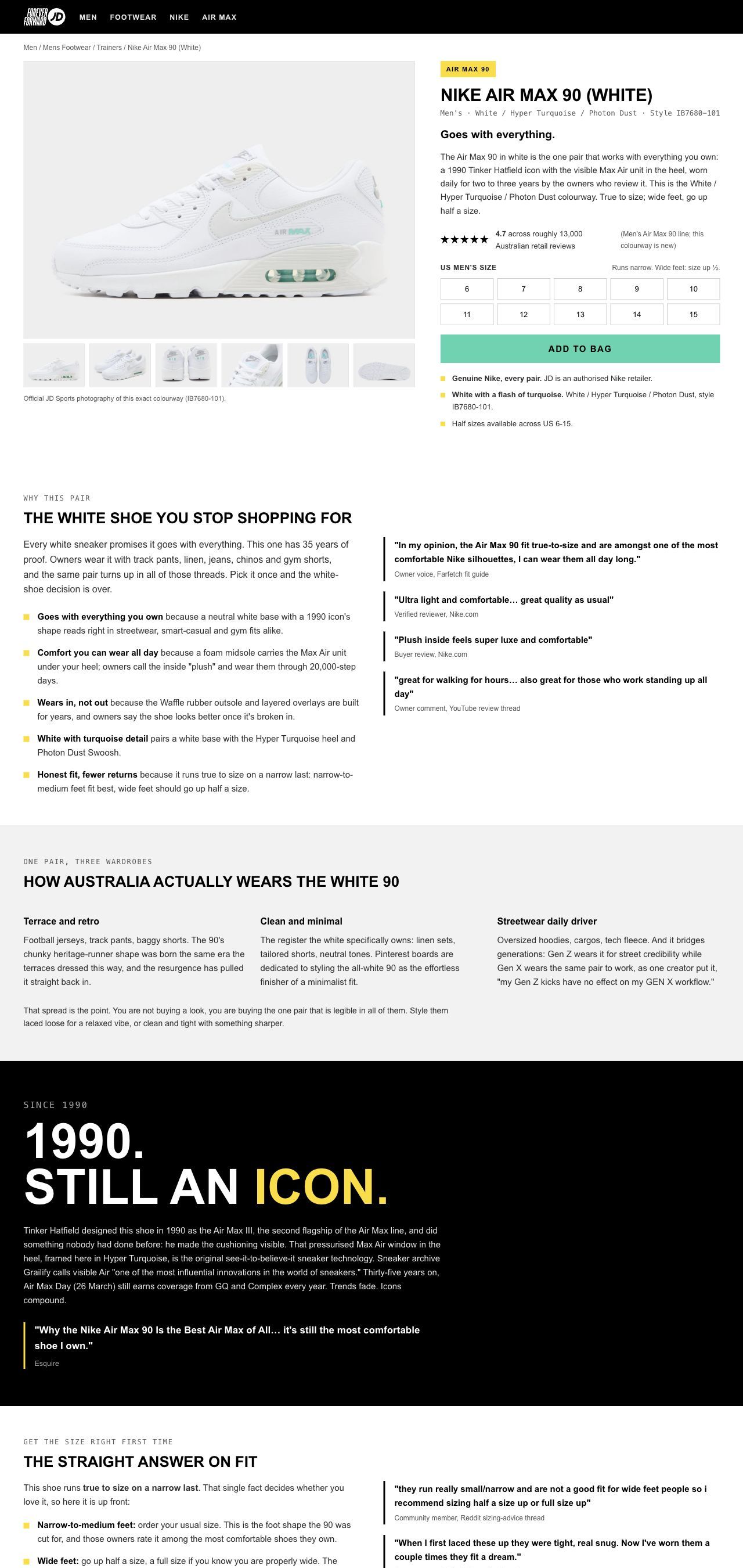
Retail media is advertising a retailer sells on its own site, app and stores, and across the web using its shopper data: sponsored products, display banners, offsite ads and in-store screens. It works when every ad fits the moment, every slot has its own creative, and the product page behind the ad is ready to sell. SalesChef creates all of it, ready for your yes.
US retail media ad spending forecast for 2026, up from $58.8B in 2025.
eMarketer (opens in a new tab)US retail media ad spending forecast by 2029.
eMarketer (opens in a new tab)of Australian retail media buyers increased spend on retailers’ own sites and apps.
IAB Australia, via B&T (opens in a new tab)The media plan takes an afternoon. The assets take weeks. SalesChef creates every advertiser’s creative from the product’s checked facts: on spec, on brand and ready for approval. Endemic and non-endemic, self-serve and managed service.
Offer creative to every advertiser without building a studio. SalesChef makes each ad from why the product sells.
Every size, slot and screen from one approved master, to your specs and ad policy. Claims match the pack, so approvals clear first time.
Advertisers with no creative team still arrive with finished ads, so new categories onboard faster.
Front of store, aisle and checkout screens in every ratio, ready for your CMS and per-store schedule.
Every week, what ran, where, and what sold next to it, so a test budget has a reason to become a renewal.
More advertisers, more campaigns and more screens without hiring a designer for each.
Ads bought from a retailer, shown where its shoppers are already deciding. Four places, each with its own sizes, rules and moment.
Product ads in the retailer’s search results, bought by keyword.
Banners on the home page, category pages and product pages.
Social and web ads aimed with the retailer’s shopper data.
Screens, end-caps and shelf media where the product sits.
Every click lands on a product page. If the facts are thin or wrong, the ad pays for a bounce.
Lead with the reason this shopper buys now: the season, the occasion, the job to be done.
Each placement has its own size, word limit and reading distance. One banner stretched across all of them sells in none.
The spec proves the claim. The headline is the reason to choose this product over the one beside it.
Retailers reject ads that disagree with the label or the listing. Every claim checked first means fewer rejections.
Judge each campaign on the sales it added and the gross profit it made, not only on return on ad spend.
The moments, the shoppers and the reasons, from marketing science and thousands of sources.
Every fact checked against the maker and the label, every field filled.
Sponsored search, banners, offsite social and in-store screens, in every size, from one checked record.
A slot bought tomorrow, a new range or a new season: the ads are ready for your yes. Every Monday, the next best move.
The networks, buying platforms and store screen systems you already use. Ads go out in each one’s sizes and specs.
See every integration Amazon Ads
 Walmart Connect
 Roundel
 Kroger Precision Marketing
 Instacart Ads
 Criteo
 Cartology
 Coles 360
 Pacvue
 Skai
 Broadsign
 Vistar Media
 ScreenCloud
 Yodeck
A retailer’s advertising business: the ad slots on its site, app and stores, plus ads aimed with its shopper data elsewhere. Amazon Ads and Walmart Connect are the largest in the US.
The tools and networks advertisers use to buy those slots, from each retailer’s own self-serve platform to software that buys across several networks.
When the product page behind the ad is ready and each ad fits its slot and moment. Most wasted spend comes from sending paid clicks to thin pages.
By the sales an ad added that would not have happened anyway, and the gross profit on them. Return on ad spend alone counts sales you would have made regardless.
Yes. Amazon Ads, Walmart Connect, Roundel, Cartology, Coles 360 and the rest, plus store screen systems like Broadsign and ScreenCloud. Every ad comes in each one’s sizes and specs, as files ready to load or straight into the system once it is connected.
Yes. Networks use SalesChef to offer creative services to every advertiser, endemic and non-endemic, for managed service and self-serve campaigns. Brands use SalesChef to supply every network with ads that fit.
Yes. Your specs, ad policy and claim rules are part of every brief, and every claim is checked against the maker and the pack before an ad reaches your approval queue.
SalesChef. Every ad for every slot and size, from the product’s checked facts, ready for your team to approve.
A wall of products already finished. Each one turns from what the supplier sent into a finished product, ready for online, in store, sales and campaigns.