Product pages by SalesChef
How do you write a product page?
Start with who the product is for and why it wins. Then add the facts, photos, proof and answers to the questions shoppers ask, and check every fact against the maker.
Product pages by SalesChef
A product page is the one page that shows a single product and gives a shopper everything needed to buy it: photos, a plain description, the specifications, proof and a clear way to buy. The best ones answer the questions a shopper has before they ask, in the order they ask them, and match the maker’s facts exactly. SalesChef knows why each product sells, then makes every page from checked facts, ready for your yes.
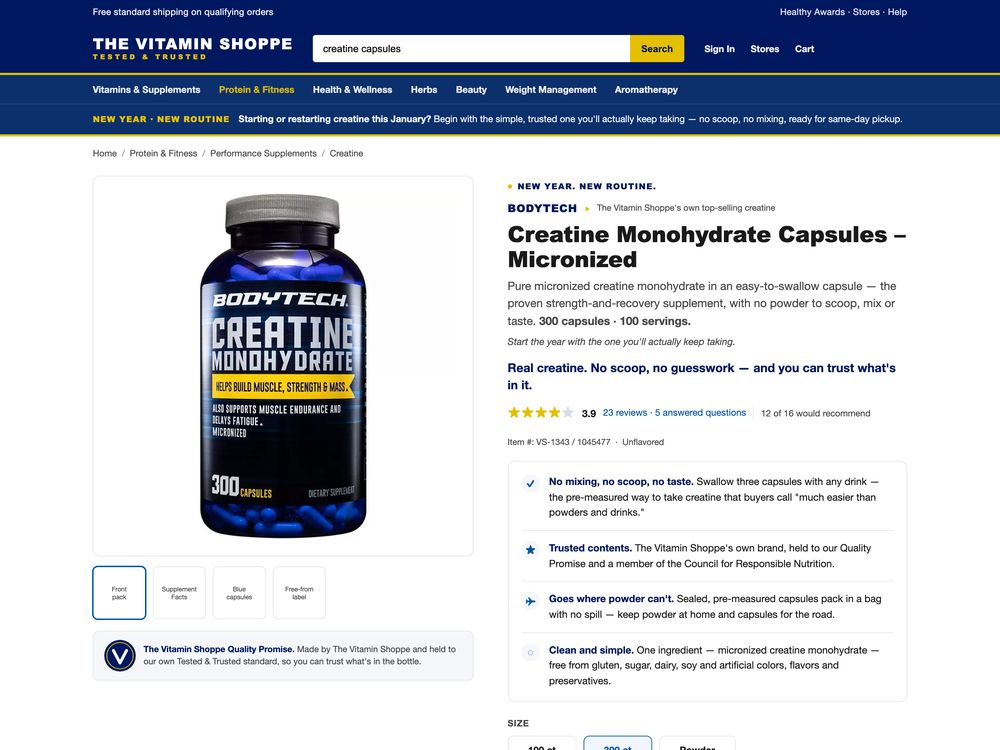
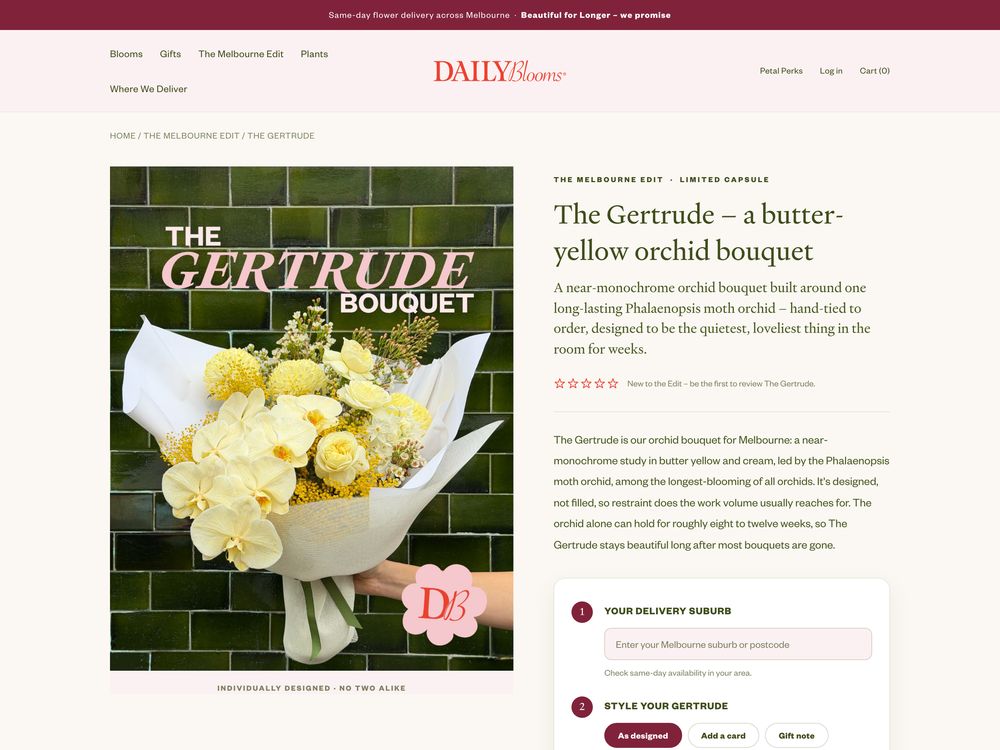

of e-commerce sites have an acceptable or good product page experience. The average site has 24 structural usability issues on its product pages.
Baymard Institute (opens in a new tab)of AI citations on transactional-intent queries go to product pages, 82% above the average share.
Wix Studio AI Search Lab (75,000 AI answers) (opens in a new tab)The page for one product, where the decision to buy is made. It is also the page search engines and AI assistants read to learn what the product is. Product page, product detail page and PDP mean the same thing.
Sells a product among many brands, on a store’s own site.
The maker’s own page, built for its direct shoppers.
One product, one campaign, one job, with a single next step.
One page, many sizes, colors or models, each with its own facts.
Say who it is for and why it wins in the first screen. The spec comes after, as proof.
Size, fit, what is in the box, how it compares. Put the answers where the doubt appears.
Wrong specs cause returns and lost trust. Check every fact against the maker before it goes live.
Show the product in use, at scale, from the angles shoppers ask about.
A clear title, a plain description and structured fields are what search engines and AI assistants read and quote.
Rival retailers often hold the same supplier text. A page with its own reasons stands out and ranks as its own.
The moments, the shoppers and the reasons, from marketing science and thousands of sources.
Each claim is checked against the maker before it reaches the page.
Title, description, features, specifications, questions and answers, and search fields, for every product in your range.
New range, new season or a changed spec: the pages are ready for your yes. Every Monday, the next best move.
SalesChef works with the systems that hold your products and publish your pages. Your team approves before anything goes live.
See every integration Shopify
 WooCommerce
 Adobe Commerce
 BigCommerce
 Salesforce Commerce Cloud
 commercetools
 VTEX
Start with who the product is for and why it wins. Then add the facts, photos, proof and answers to the questions shoppers ask, and check every fact against the maker.
A product page lives in the catalog and sells one product to anyone who finds it. A landing page is built for one campaign and one action, and usually has no navigation to the rest of the store.
A clear title, photos, a short description, key features, specifications, reviews or proof, answers to common questions and a clear way to buy.
Use a title shoppers would search, a plain description in your own words, complete structured fields, and a page no other retailer has copied. Pages with real answers are also what AI assistants quote.
A good template runs: reason to choose it, key features, specifications, what is in the box, comparison with the rest of the range, then questions and answers. SalesChef fills it for each product from checked facts.
SalesChef knows why each product sells and makes every page, field by field, for your whole range. Your team approves before anything goes live.
A wall of products already finished. Each one turns from what the supplier sent into a finished product, ready for online, in store, sales and campaigns.