Social, blog and thought leadership by SalesChef
What should a retail brand post on social media?
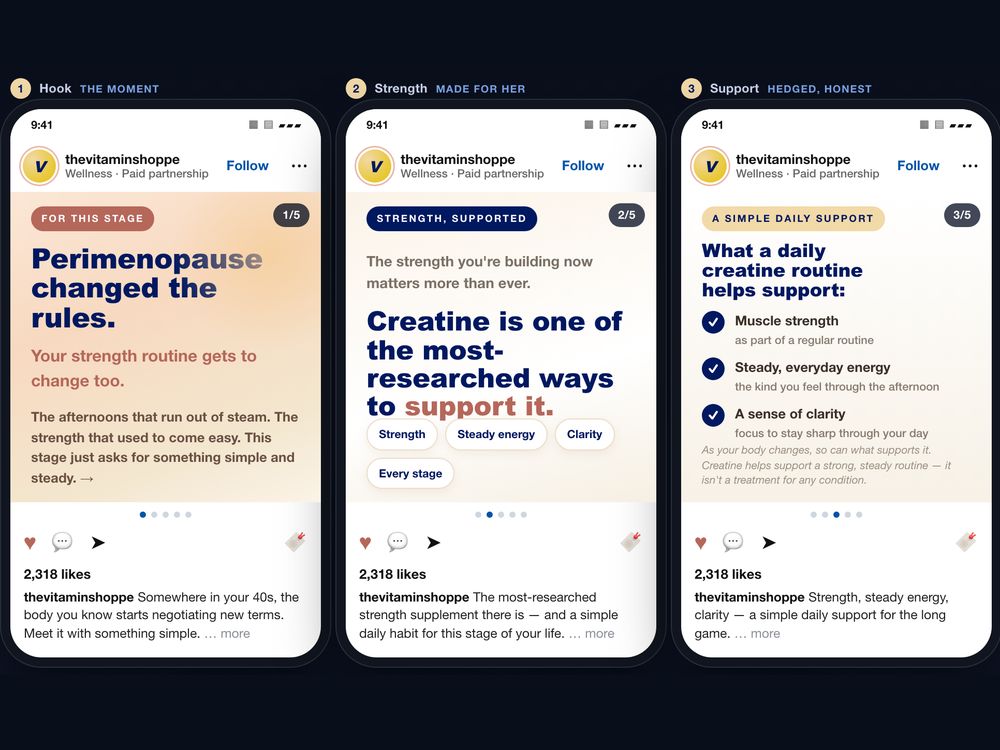
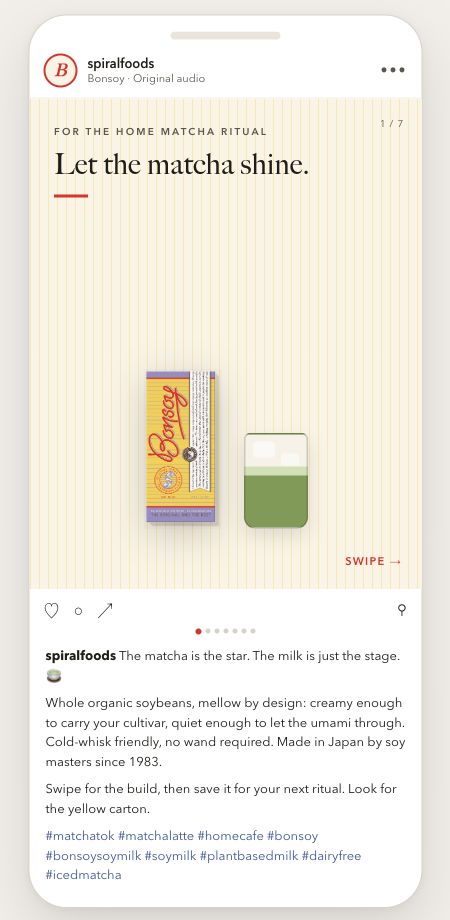
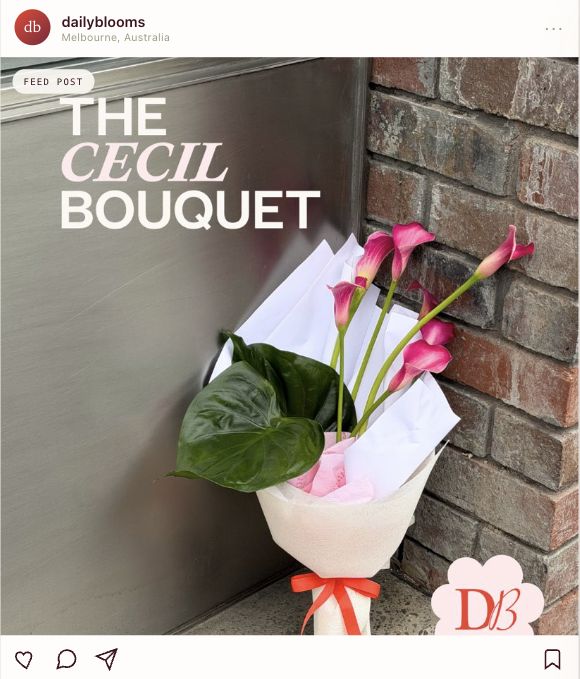
Products in use, answers to shoppers’ questions, the maker’s story and the moment the product suits. Each post is about one thing and links to a page that is ready to sell.
Social, blog and thought leadership by SalesChef
Social media for retail brands is short posts that show a product in the moment someone might want it. Blog posts go deeper on how to choose and use it, and thought leadership shows the brand knows its field. All three work when they are true, specific and tied to a real product. SalesChef creates all three from the same checked product knowledge, ready for your team’s yes.
of shoppers find products on social media, but only 10% buy on the platform. Posts must send people to a ready product page.
Coveo and Arlington Research (4,000 US and UK adults, Nov 2024), via Chief Marketer (opens in a new tab)decision-makers and executives say they are more receptive to sales approaches from companies that consistently produce high-quality thought leadership.
Edelman and LinkedIn B2B Thought Leadership Report 2024 (about 3,500 professionals, including the US and Australia), via Curzon PR (opens in a new tab)Three ways to be useful before anyone is ready to buy. Each has its own size, pace and job, and all three start from the same product facts.
A photo, a clip or a carousel with a line that fits the platform and the moment.
How to choose, use or care for a product, answering a question people actually ask.
A point of view from the people who know the category, built on evidence the brand can stand behind.
The maker’s voice on why the product is made the way it is.
Answer what shoppers ask: which one, how to use it, what it works with. Posts that answer get saved and shared.
A single product, a single moment, a single point. Trim until one reader can repeat it.
Each network has its own shape, length and way of reading. A post stretched across all of them suits none.
Most people who discover a product on social do not buy there. The link must land on a page that finishes the job.
Thought leadership needs a finding, a method or a view from inside the category. A summary of everyone else’s view earns nothing.
One wrong spec in a public post is seen by many. Facts are checked against the maker before they go out.
The moments, the shoppers and the reasons, from marketing science and thousands of sources.
The question to answer, the moment to post in and the view only your brand can take.
Social posts for each platform, product-led blog posts and thought leadership, from checked facts, for your team to approve.
A launch, a holiday or a new range: the posts are ready. Every Monday, SalesChef names the next best move.
Posts and articles come as files ready to load, or go straight into the tool once connected.
See every integration WordPress
 Contentful
 Sanity
 Storyblok
 Webflow
 Adobe Experience Manager
Products in use, answers to shoppers’ questions, the maker’s story and the moment the product suits. Each post is about one thing and links to a page that is ready to sell.
A point of view from real expertise, backed by evidence, that helps people in a field decide better. It builds trust before there is anything to sell.
Edelman and LinkedIn’s 2024 survey of about 3,500 professionals found 9 in 10 are more receptive to sales approaches from companies that consistently produce high-quality thought leadership. Poor quality can backfire, so it must be specific and true.
An article built around a real product question, such as how to choose, use or care for it, that names the product honestly where it fits.
As often as there is something true and useful to say. A steady rhythm of specific posts beats daily filler.
SalesChef knows why each product sells, then creates the posts, articles and thought pieces for each platform from checked facts. Your team approves; nothing goes live without your yes.
A wall of products already finished. Each one turns from what the supplier sent into a finished product, ready for online, in store, sales and campaigns.